Where to Watch
We don't have a current streaming, rental or purchase listing for Pippi Longstocking yet. Availability updates over time — or browse similar shows you can watch now.
Episodes
Trivia about Pippi Longstocking
In the winter of 1941, Karin had come down with an illness and was confined to her sickbed; inspired by Karin's request to tell her stories about Pippi Longstocking—a name Karin had created on the spot—Lindgren improvised stories about an "anything-but-pious" girl with "boundless energy." As a child, Karin related more to Annika and Tommy, rather than Pippi, who she felt was very different from her personality.
Critic Ulla Lundqvist estimates that a third of the manuscript was altered, with some changes made to improve its prose and readability, and others done to the character of Pippi, who according to Lundqvist "acquire[d] a new modesty and tenderness, and also a slight touch of melancholy," as well as "less intricate" dialogue.
Pippi Longstocking placed first and was subsequently published in November 1945 with illustrations by Ingrid Vang Nyman.
Biographer Jens Andersen locates a range of influences and inspiration for Pippi not only within educational theories of the 1930s, such as those of A.
Literary inspiration for the character can be found in Alice's Adventures in Wonderland, E.
Andersen argues that the "misanthropic, emotionally stunted age" of the Second World War, during which Lindgren was developing the character, provided the most influence: the original version of Pippi, according to Andersen, "was a cheerful pacifist whose answer to the brutality and evil of war was goodness, generosity, and good humor." Pippi originates from bedside stories told for Lindgren's daughter, Karin.
Loading videos…
Cast & Crew
All actors →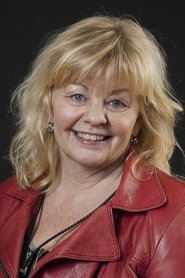
Inger Nilsson
Pippi LÃ¥ngstrump
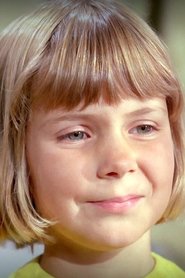
Maria Persson
Annika
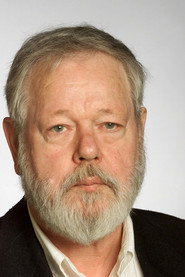
Pär Sundberg
Tommy
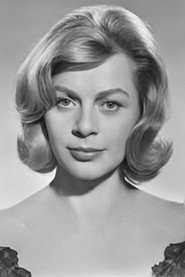
Margot Trooger
Fröken Prysselius
Gun Arvidsson
Fröken Prysselius (voice)
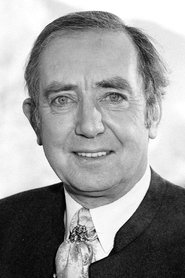
Hans Clarin
Dunder-Karlsson
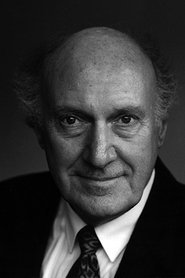
Gösta Prüzelius
Dunder-Karlsson (voice)
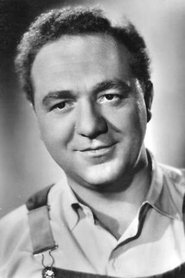
Paul Esser
Blom
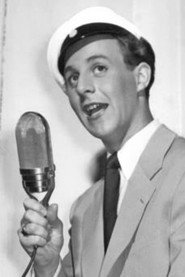
Hans Lindgren
Blom (voice)
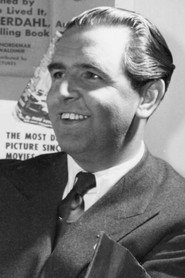
Olle Nordemar
Producer
Olle Hellbom
Director
Astrid Lindgren
Writer